What PTSD really looks like in firefighters, police, EMTs, and veterans — hypervigilance, irritability, and numbness, not just flashbacks — and the path to healing most people never hear about.
PTSD in First Responders Doesn't Always Look Like What You See in TV and Movies
By Lisa Nocera, LCSW | Reyou Ketamine Treatments
I want to tell you something that I don't lead with in clinical settings.
I was married to a first responder. I am raising a son who became one too. And I have another son currently serving in the military.
This work is not abstract for me. It never has been.
I've watched someone I love come home from shifts carrying things he didn't have words for. I've watched my son step into the same calling, with the same quiet weight starting to accumulate. I have a child deployed, doing the kind of work that changes people in ways that don't always surface until years later. I know what it looks like to love someone who is slowly being shaped by trauma they would never describe that way.
I became a licensed clinical social worker before any of this — but this life made me a different kind of clinician. When first responders and veterans walk into Reyou, I don't just see patients. I see my people. And I recognize what they're carrying in a way that goes deeper than any training could teach.
The Version of PTSD Nobody Talks About
Most people picture PTSD a certain way. A veteran jolted awake by a nightmare. A soldier flinching at a car backfire. A flashback so vivid it erases the present moment entirely.
Those things are real. But they're not the whole picture — and for many of the first responders we have treated, and for the people I love most, they're not even the most common picture.
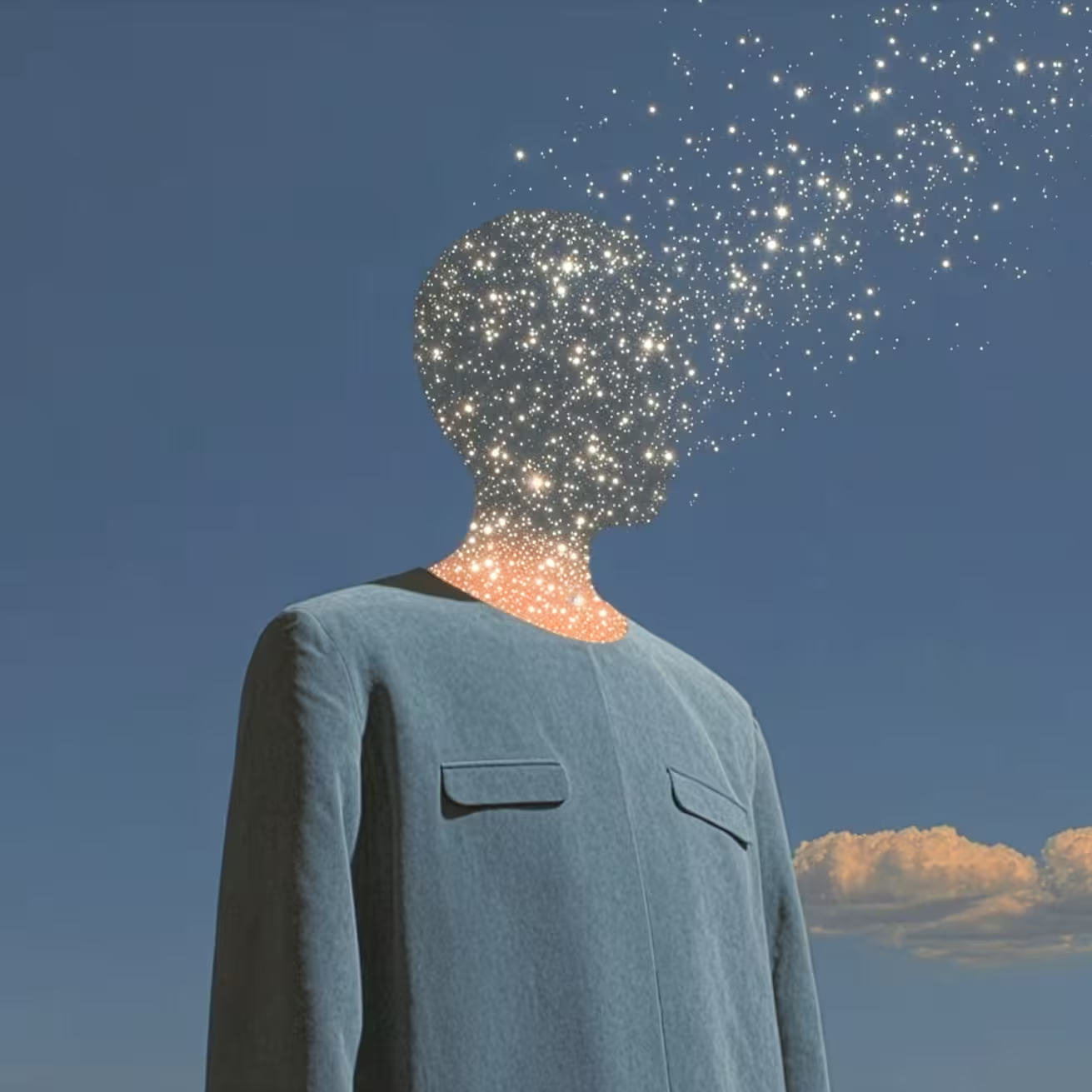
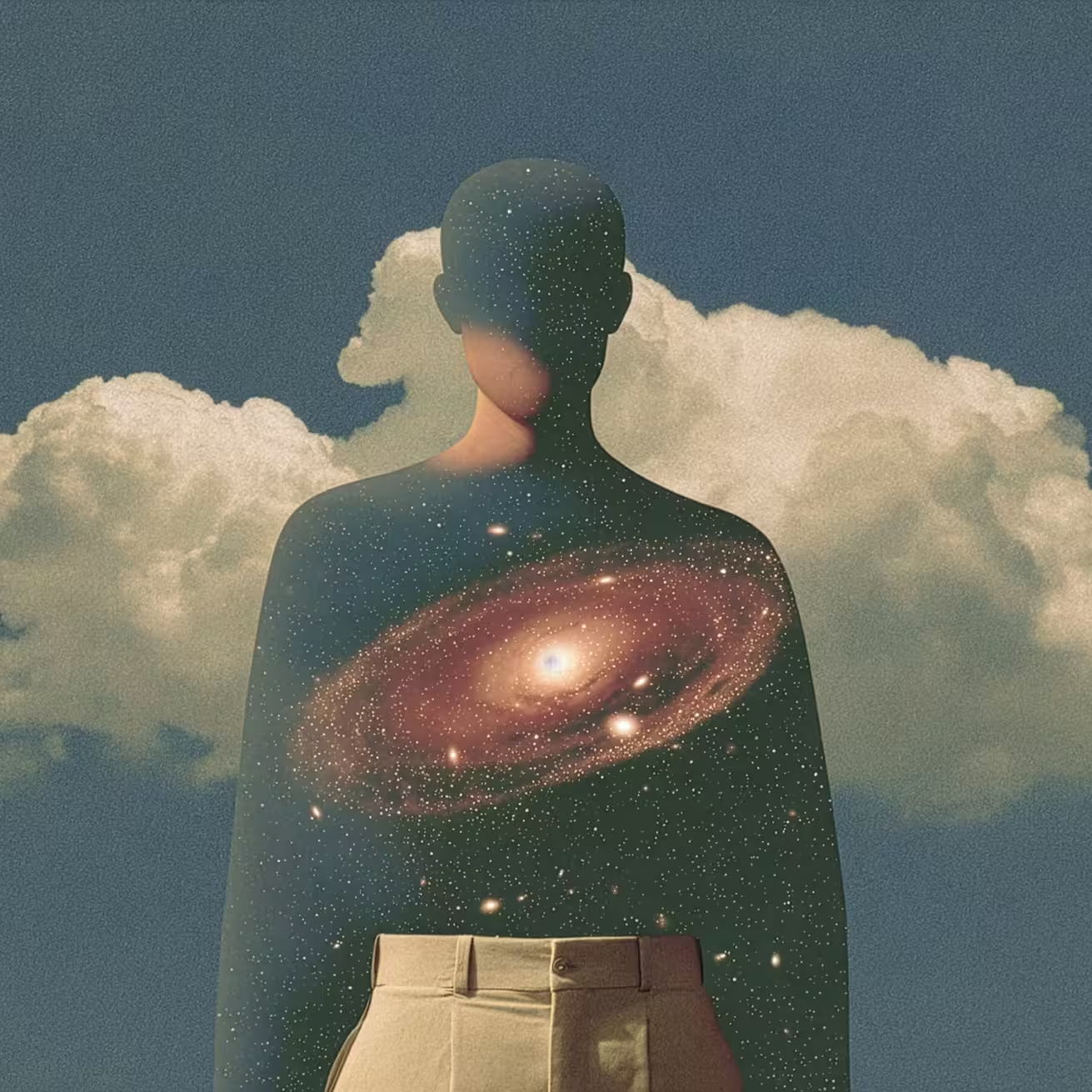
PTSD is fundamentally a wound in the brain's threat detection system. After years of exposure to danger, loss, and impossible decisions, the nervous system stops distinguishing between was dangerous and is dangerous. It stays on. And for first responders, that system never fully gets to reset between shifts. Call after call, year after year, it accumulates.
Eventually, it doesn't look like a disorder. It looks like personality. That's the part that breaks my heart — and the part that keeps too many people from getting help.
What It Actually Looks Like
Hypervigilance. The one most people miss because it looks like competence. Always sitting facing the door. Running threat assessments at a child's birthday party. Needing to know every exit in every room.
From the outside, it can look like awareness or leadership. From the inside — and I've been close enough to people carrying it to know — it's an exhausting state of perpetual alertness that never, ever fully turns off. It doesn't come home and clock out. It follows them to dinner, to bed, to the sideline of a soccer game. And the people who love them learn to quietly work around it without ever naming what it is.
Irritability and anger. This one costs people their marriages before it ever costs them a diagnosis. The short fuse that wasn't there before. Overreactions that seem to come from nowhere. A hair trigger with the people they love most — often because the people they love most are safe enough to receive what they can't express anywhere else.
I understand this one personally. The confusion it creates. The way everyone in the room recalibrates. Anger in trauma isn't a character flaw. It's a threatened nervous system with nowhere to put what it's been holding. But without that context, it just looks like someone who changed.
Emotional numbing. The opposite of anger — and somehow just as painful for the people around them. Disconnection. Flatness. Being physically present and completely elsewhere. Going through the motions at family events while looking like a person who is fine.
The brain does this to protect itself when feeling becomes unsustainable. The problem is it's indiscriminate — it mutes joy and connection right alongside the pain it's trying to manage. I have sat next to people I love and felt the absence of them even though they were right there.
Avoidance. Skipping the memorial. Not driving a certain route. Staying at work longer than necessary because home requires a kind of presence that feels out of reach. Not because they don't love the people waiting for them — often because they love them too much to keep bringing the wreckage inside.
Sleep disruption without nightmares. Many first responders with PTSD don't have dramatic nightmares — they just can't sleep. Or they avoid it, because the quiet creates space for everything they've been outrunning all day.
Why It Goes Unrecognized — And Untreated
First responder culture is built around performance under pressure. Asking for help feels like admitting you can't handle the job. And when PTSD looks like irritability or hypervigilance rather than breakdown, it gets filed under "occupational stress" — or worse, under "that's just who he is now."
There's also the comparison problem. I've seen real trauma. What I'm dealing with isn't that bad. I've heard this from patients and from people I love. It's one of the most painful things to witness — someone discounting years of accumulated suffering because they believe they don't qualify for help.
Cumulative trauma is real. The slow weight of years of exposure is every bit as legitimate as a single catastrophic event. And the people who are best at managing it under pressure are often the worst at recognizing how much it's managing them.
What Healing Can Actually Feel Like
One of our patients — a first responder who completed an IV ketamine treatment series at Reyou — said something that has stayed with me:
"I had been numb for so long, I forgot what joy felt like. Reyou gave it back to me."
That's not a small thing. That's a life.
Numbness, in the context of first responder trauma, is often so gradual that it becomes invisible — even to the person experiencing it. You don't notice joy leaving. You just notice, one day, that things that used to matter don't seem to land the way they once did. That the people around you seem to feel things more easily than you do. That you've been running on functional for so long, you've forgotten what it felt like to actually feel good.
Ketamine doesn't manufacture happiness. What it does — and what the research increasingly supports — is create a window of neuroplasticity that allows the brain to form new connections, interrupt entrenched trauma patterns, and, for many patients, access emotional states that trauma had effectively closed off.
For that patient, joy wasn't gone. It was buried. And treatment helped uncover it.
There Is Another Path
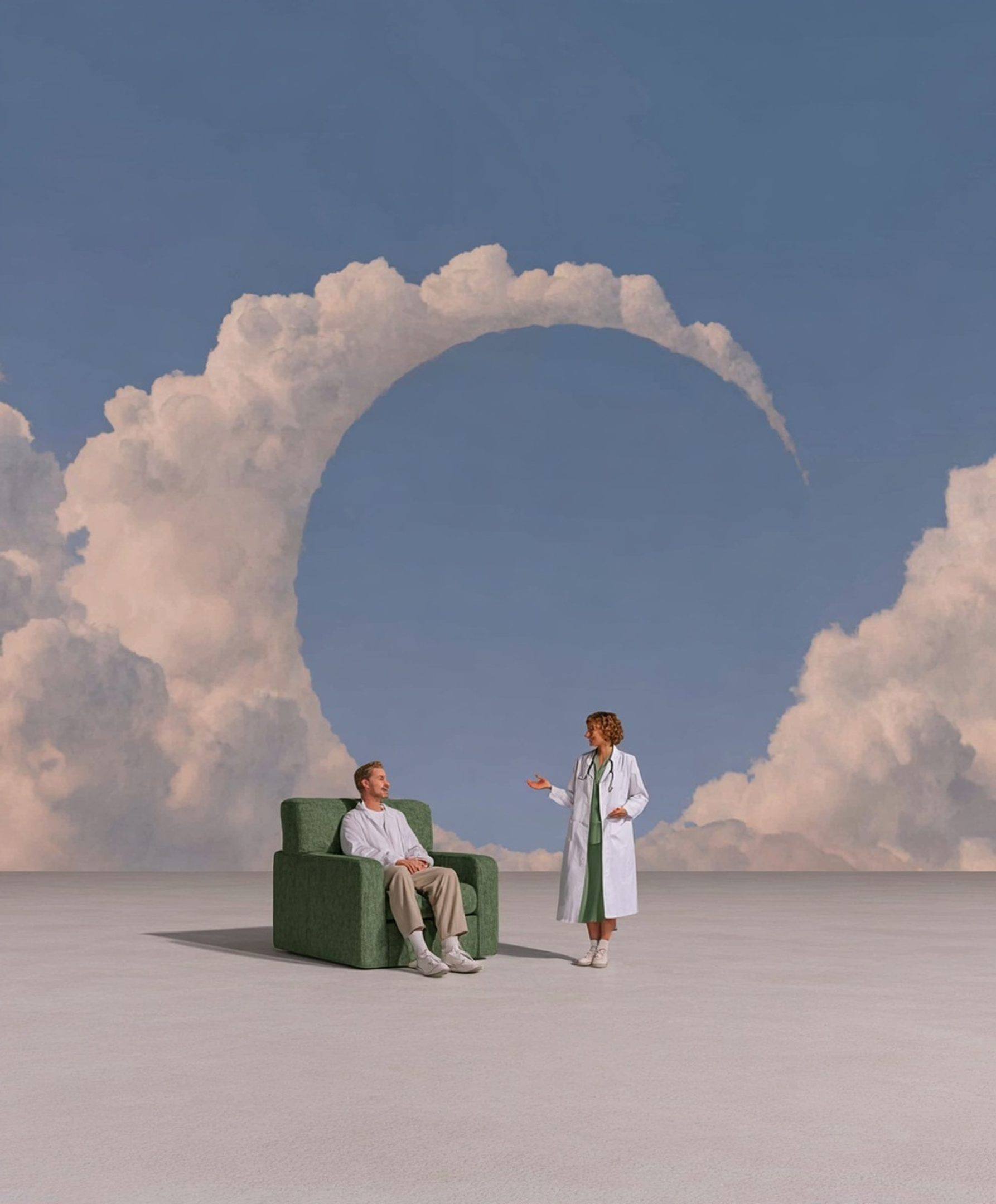
At Reyou, we work with patients who have often tried everything — therapy, medication, time — and are still carrying something they can't put down.
IV ketamine and Spravato (esketamine) have shown meaningful results in treating PTSD, particularly for people who haven't responded to traditional antidepressants. It doesn't require reliving the trauma to begin healing from it. For many first responders, that distinction is the difference between being willing to try and not.
The care we provide at Reyou doesn’t come from outside looking in. Reyou has been shaped by people such as myself - a clinician, and someone living the reality of what this population carries — at home, at the dinner table, in the late-night quiet when the people I love can't sleep.
If you're a firefighter, police officer, EMT, paramedic, or veteran — or you love one — and something in this piece felt familiar, I'd encourage you to take that seriously. You d
on't have to be in crisis to reach out. You just have to be tired of carrying it alone.
Reyou serves patients at our New Jersey locations in Howell and South Plainfield. We offer free consultations to talk through whether our treatments might be a fit.
You've spent your career showing up for everyone else's hardest moments. Let us show up for yours.
Lisa Nocera, LCSW, is the Chief Operating Officer of Reyou Ketamine Treatments and a licensed clinical social worker with over 25 years of behavioral health leadership experience.

.png)