
PTSD & Trauma
Trauma can keep the nervous system stuck in survival mode. Healing is possible.
PTSD & Trauma Treatment
Trauma changes how the nervous system responds to the world. It can follow a single overwhelming event or years of smaller ones, and it does not have to look dramatic to leave a mark. For many people it does not stay in the past. It shows up in the present as anxiety, hypervigilance, numbness, or sudden waves of distress.
At Reyou we treat PTSD and trauma with ketamine therapy at our Howell Township and South Plainfield clinics in New Jersey, and at home in Bergen County, Manhattan, and North Brooklyn. Care is medically guided and built around safety and respect.
How We Approach PTSD & Trauma at Reyou
Trauma-informed care means recognizing the nervous system may still be in survival mode. We move slowly, explain what to expect, and avoid anything that overwhelms or re-traumatizes.
That is how we practice, not a label. Our team is trained in trauma-related symptoms, and a trauma therapist on staff helps guide preparation, integration, and support when appropriate.

Treatment recommendations are individualized. We take into account symptom severity, treatment history, medical considerations, and personal goals when helping patients explore their options.
How Trauma Affects the Brain & Nervous System
Trauma can lock the brain into hyperarousal, threat detection, and emotional reactivity. Memories feel fragmented or intrusive, and the body reacts as if danger is still present, even when it is not.
These patterns are not choices. They are protective responses that once helped you survive and may now make it hard to feel calm, connected, or at ease.
Is This the Right Approach for Me?
This approach may be a good fit if:
- Traditional approaches haven’t fully resolved your symptoms
- You still experience hypervigilance, numbness, or intrusive memories
- You want a treatment that works with your nervous system
- You want care that is trauma-informed from the first conversation
When Depression Is Also Present
Many people with PTSD or trauma also have depression or a history of antidepressants. In those cases Spravato may be an option, and we discuss it during evaluation.
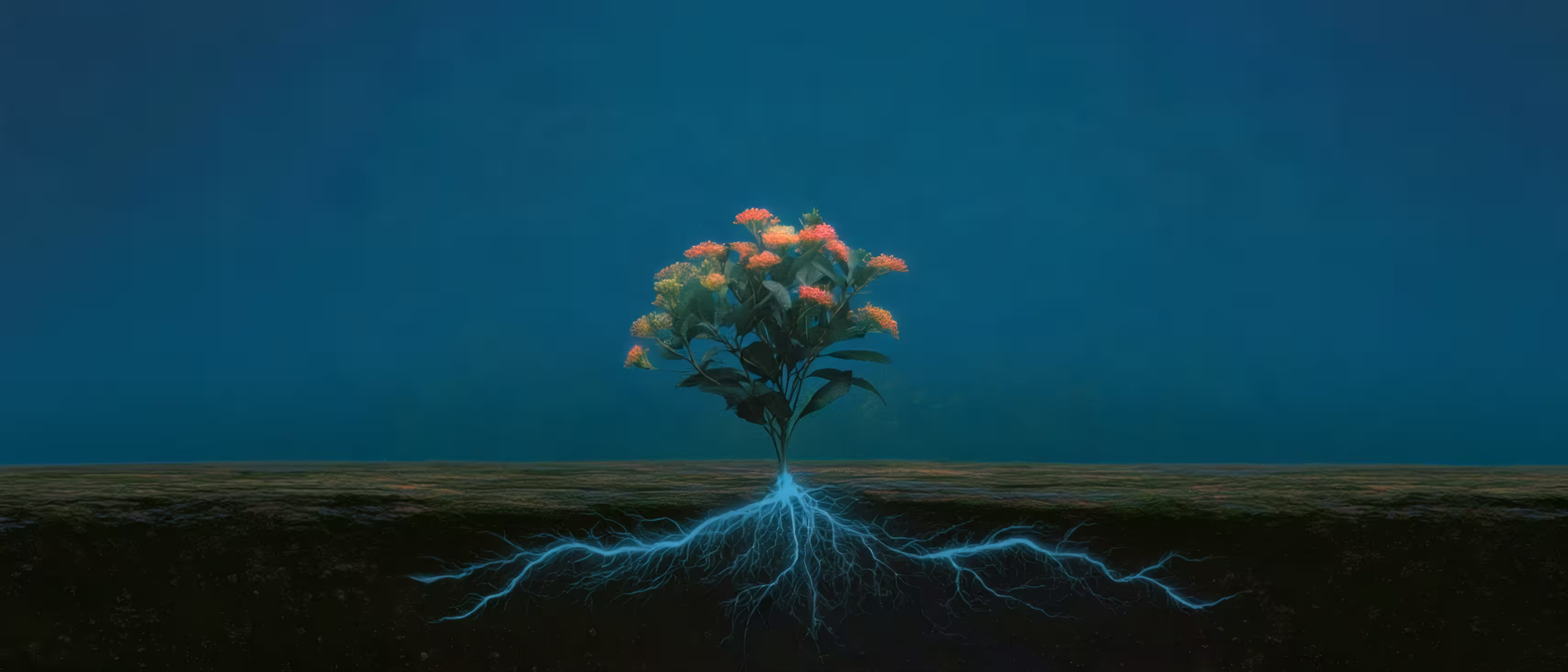

Many people with trauma hesitate. They worry about re-traumatization, whether their experience “counts” as PTSD, or whether they have waited too long.
Our approach moves at your pace. You will not be asked to relive what happened. The focus is on helping the nervous system shift out of survival mode.
What we offer
Ketamine and TMS therapy both involve perceptual shifts and distance from rigid thoughts and emotions — not losing control, but breaking free from stuck patterns. At Reyou, this unfolds in a calm, medically supervised environment where preparation, comfort, and integration matter as much as the treatment.
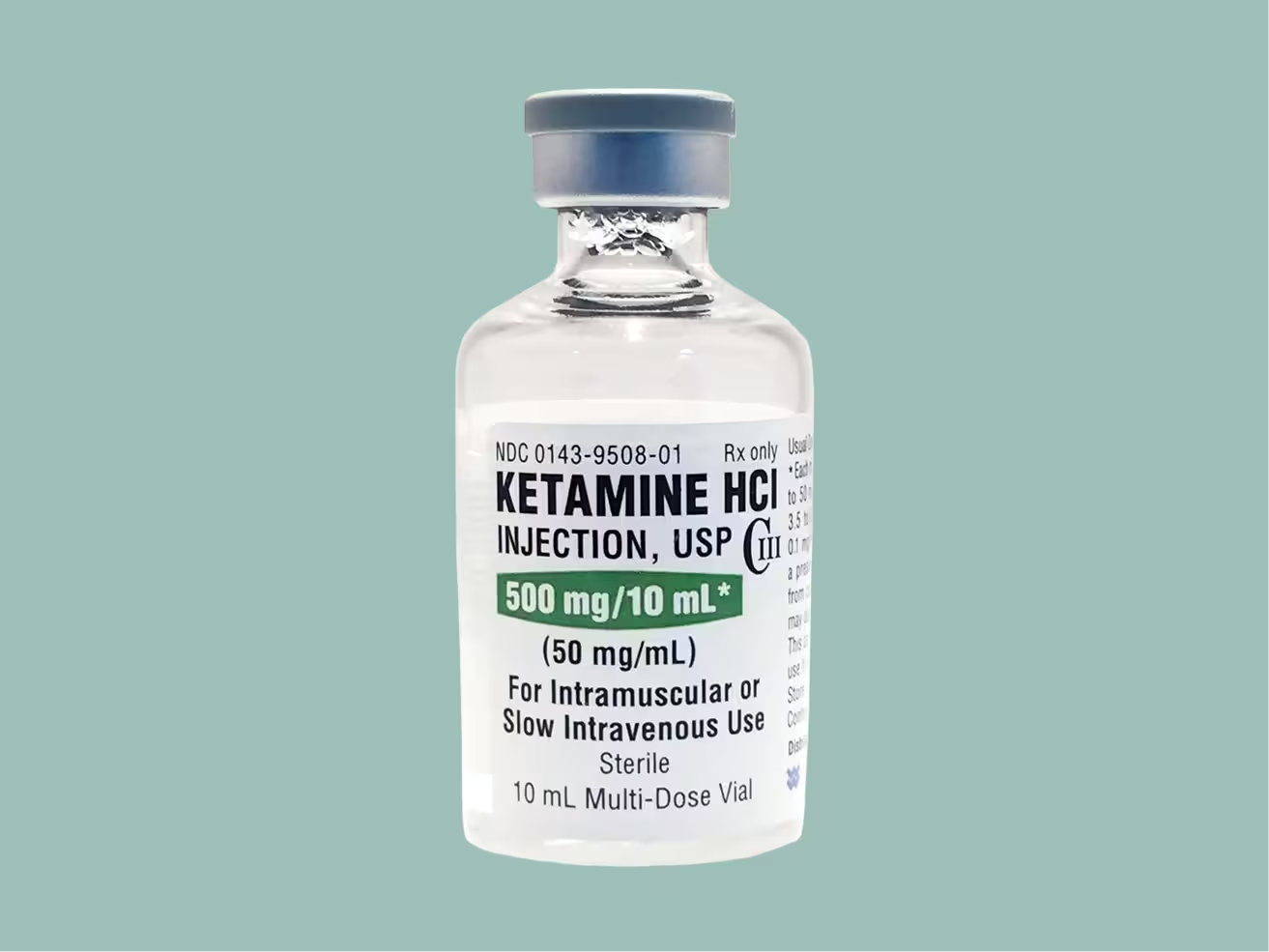
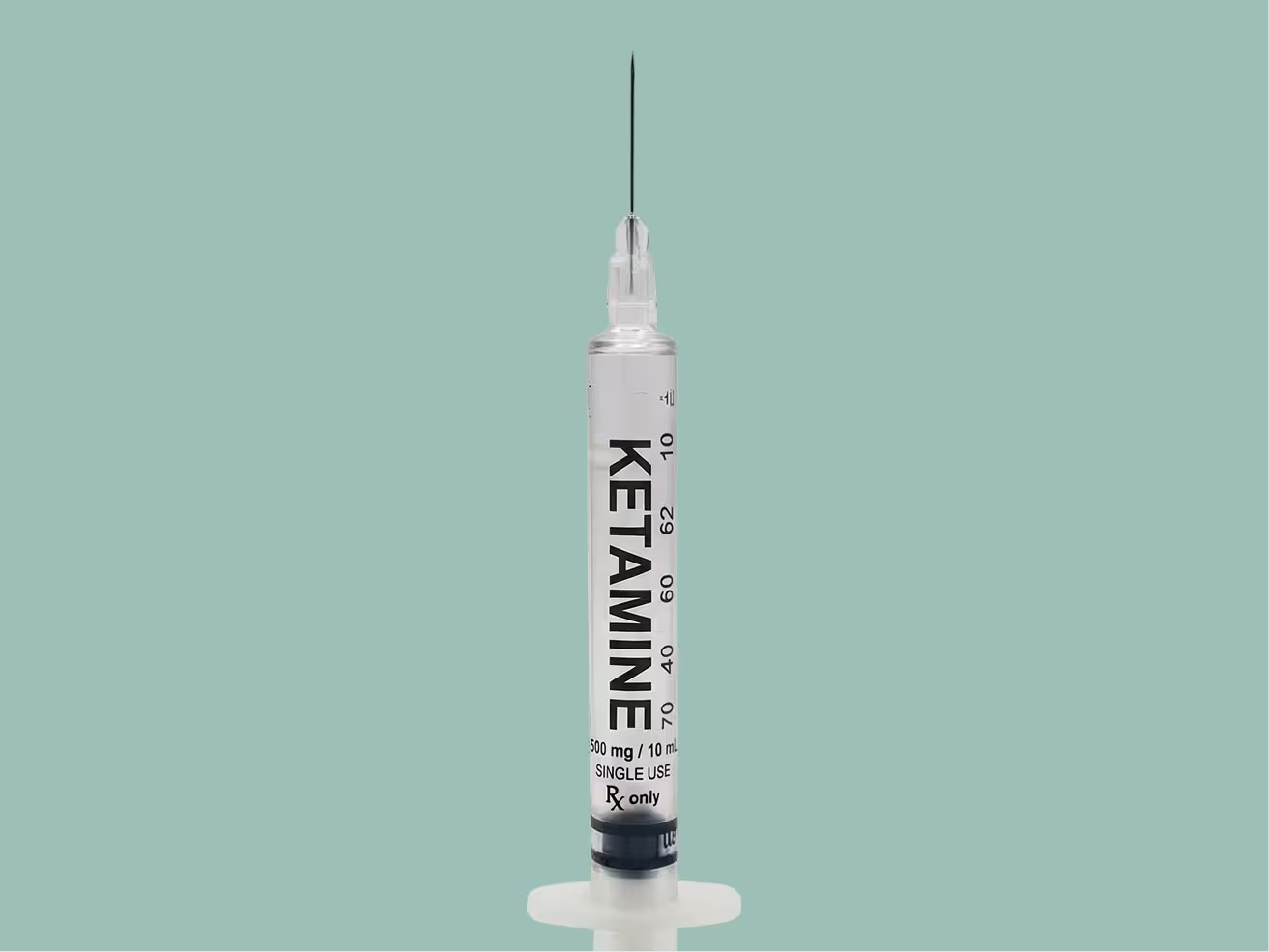
Ketamine can disrupt rigid neural patterns tied to fear, hypervigilance, and emotional shutdown. By quieting the threat response, it creates a more flexible state for new perspectives and emotional processing. IV ketamine is administered in-clinic under medical supervision within a structured plan. Preparation and integration are central.
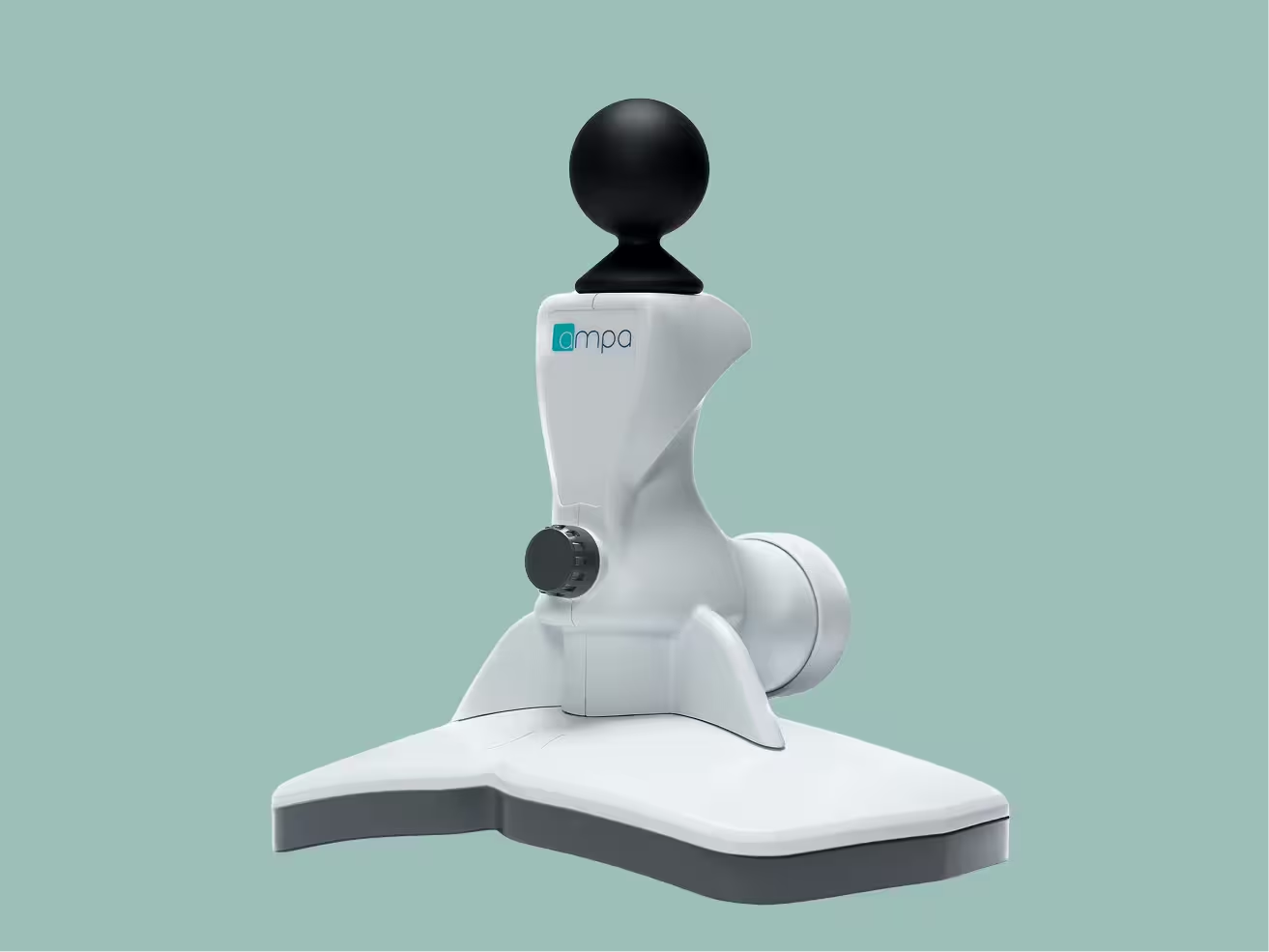
Many people with PTSD or trauma, including many veterans, also live with depression. In those cases TMS may be an option. TMS is FDA-cleared for depression in adults who have not gotten enough relief from antidepressant medication. It is not a treatment for PTSD itself, but for the depression that often comes with it. Usually covered by insurance. Available at South Plainfield.
What you can do
Help Someone You Love
You can see it. The light behind their eyes has dimmed, and what was supposed to help hasn’t. When someone we love suffers, we suffer too.
Think of a lamp covered in layers of dust. Trauma, depression, and anxiety pile on, and the light looks dimmer. But the lamp hasn’t changed. It just needs the right care to shine again.
Reyou’s treatments can help the people you care about reconnect with that light — and in doing so, make all of your lives a little brighter. Connect with us — we can help.
What patients say
“For years, PTSD made it nearly impossible to find peace, especially at night. Sleep was a battle lost more often than not. After just three treatments, the change is outstanding. Where sleepless nights once ruled, I am now getting 6 to 7 hours of peaceful rest. The mind feels clearer than it has in years, and the heavy fog of PTSD is finally lifting.”
Jim
Treated for PTSD
Choosing a Path Forward
Healing from trauma is not about forcing change. It is about creating the conditions where the nervous system no longer needs to stay on guard.
A consultation at Reyou is a conversation, not a commitment. We take time to understand your experience, answer questions honestly, and cover cost and logistics. Then we decide next steps together.