
Postpartum Depression
The early weeks with your baby matter. You deserve to be present for them — and for yourself.
Postpartum Depression Treatment
Postpartum depression can make what should be a meaningful, intimate time feel overwhelming, disconnected, or frightening. New parents may feel sadness, anxiety, numbness, or intrusive thoughts at the moment they are expected to feel joy.
The newborn phase is short. Parents want to be present and bonded for it, not waiting weeks for relief. At Reyou we treat postpartum depression with ketamine therapy at our Howell Township and South Plainfield clinics in New Jersey, and at home in Bergen County, Manhattan, and North Brooklyn.
How We Approach Postpartum Depression at Reyou
Postpartum symptoms are common and not a reflection of your parenting or your love for your child. Because traditional antidepressants can take weeks to work, we prioritize approaches that may bring relief sooner.

Treatment recommendations are individualized. We take into account symptom severity, treatment history, medical considerations, and personal goals when helping patients explore their options.
Postpartum Depression & Anxiety
Postpartum mood and anxiety disorders often include depression, heightened anxiety, intrusive thoughts, and feelings of detachment or inadequacy. They are common, and they are treatable.
Is This the Right Approach for Me?
This approach may be a good fit if:
- You have symptoms of postpartum depression or anxiety
- Antidepressants have not worked, or you need relief sooner
- You have concerns about daily medication while breastfeeding
- You want individualized care designed around your life


Seeking help after birth can bring up complicated feelings: worry about being judged, about time away from your baby, or about whether it is “bad enough” to count.
There is no threshold you need to meet. If you are struggling, that is reason enough.
What we offer
Ketamine and TMS therapy both involve perceptual shifts and distance from rigid thoughts and emotions — not losing control, but breaking free from stuck patterns. At Reyou, this unfolds in a calm, medically supervised environment where preparation, comfort, and integration matter as much as the treatment.
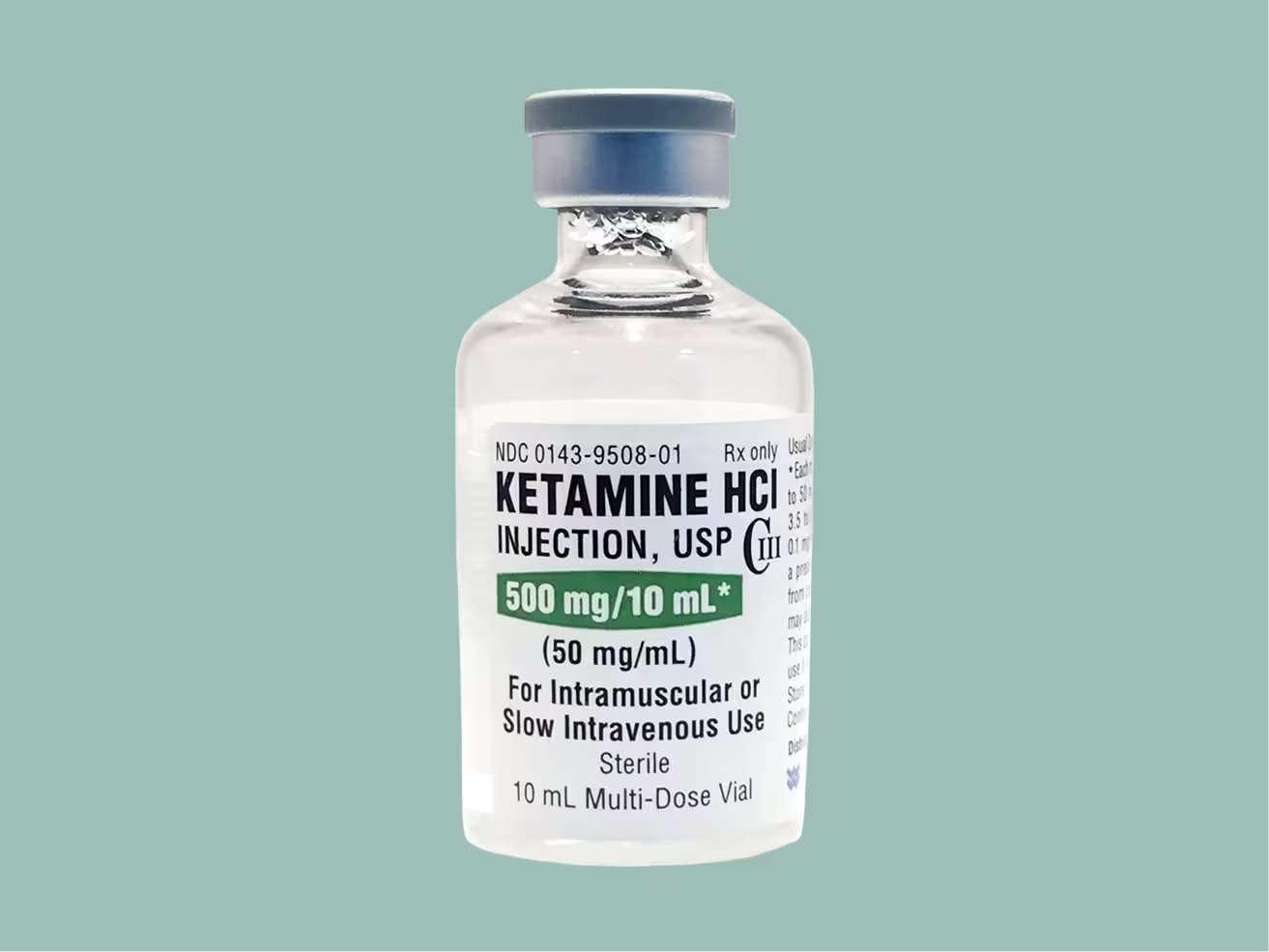
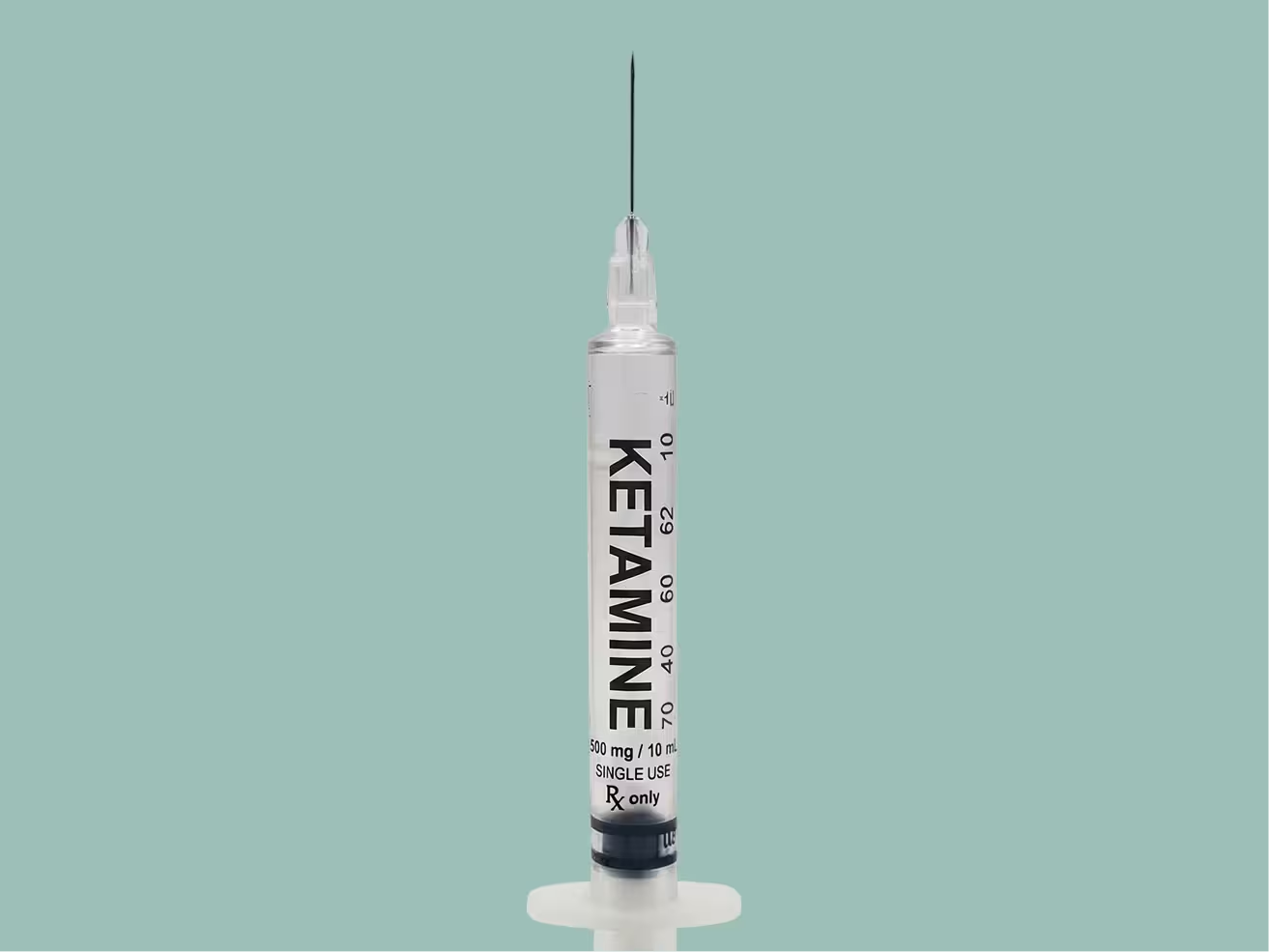
Ketamine can interrupt rigid, distress-driven thought patterns and create space from overwhelming emotional loops. Many patients notice shifts within hours or days rather than weeks. IV ketamine is administered in-clinic under medical supervision within a structured plan. Preparation, safety, and follow-up are central.
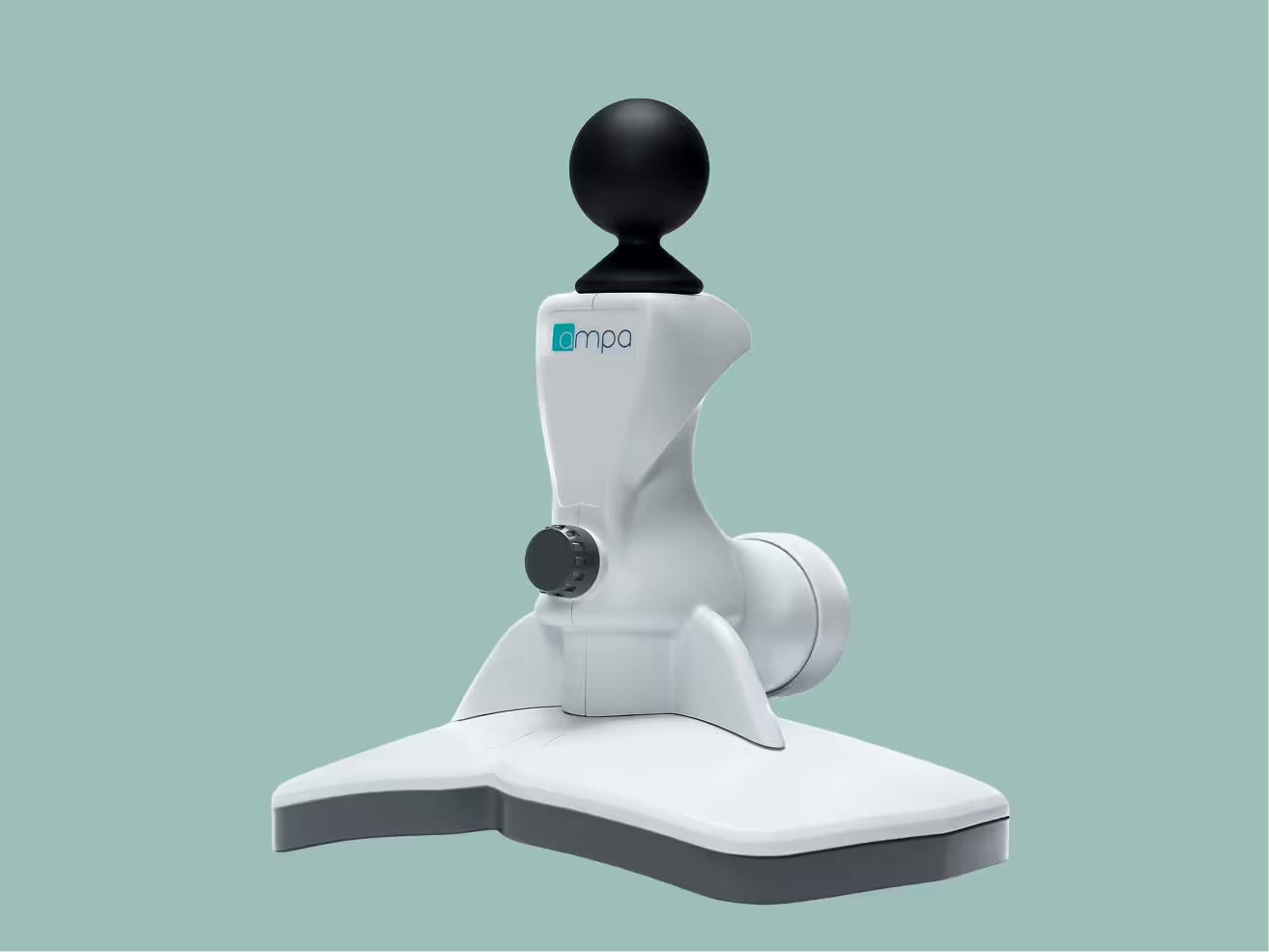
Postpartum depression is depression, and TMS is FDA-cleared for depression in adults who have not gotten enough relief from antidepressant medication. It involves no medication, so nothing passes into breast milk, which matters to some parents. Usually covered by insurance. Available at South Plainfield.
What you can do
Help Someone You Love
You can see it. The light behind their eyes has dimmed, and what was supposed to help hasn’t. When someone we love suffers, we suffer too.
Think of a lamp covered in layers of dust. Trauma, depression, and anxiety pile on, and the light looks dimmer. But the lamp hasn’t changed. It just needs the right care to shine again.
Reyou’s treatments can help the people you care about reconnect with that light — and in doing so, make all of your lives a little brighter. Connect with us — we can help.
Breastfeeding Considerations

With ketamine, some parents pause breastfeeding briefly, pumping and discarding milk for about 12 hours after a session, then resume.
Breastfeeding decisions are always made with our clinical team and your prescribing providers.
Concerns about medication exposure while breastfeeding are common. Many parents hesitate to start or continue daily medication during this time.
Intrusive Thoughts & Distress
Some parents experience intrusive thoughts after birth, including thoughts that feel alarming, unwanted, or out of character.
These thoughts can be deeply distressing, even when there is no desire to act on them.
Intrusive thoughts are a known feature of postpartum mood and anxiety disorders. They are not a reflection of intent or character, and help is available.

What patients say
“Time I wanted to use spending with my baby was spent struggling to complete basic tasks. I haven’t finished the full course but I already feel so much better. My intrusive thoughts have really reduced. No more thoughts that I’m going to trip and fall every time I hold my baby. I cannot emphasize the positive result this has had on my mental health.”
Dev
Treated for Postpartum Depression
Choosing a Path Forward
Seeking help during the postpartum period can feel difficult, but it can also be an act of care for both parent and child.
A consultation at Reyou is a conversation, not a commitment. We take time to understand your experience, answer questions honestly, and cover cost and logistics. Then we decide next steps together.